
Saskatchewan Winter Paw Care: Salt, Snowballs & Paw Pad Trims
Quick answer: After each snowy or salty walk, check your dog’s paws, wipe away road salt, and dry the spaces between the toes. Dog boots or a pet-safe paw balm may help protect the pads. A careful trim of extra paw-area fur can also reduce snow buildup in some long-coated dogs.
A short winter walk in Saskatoon can leave your dog with icy clumps between their toes. That can hurt. At Head to Tail Pet Spa, we help owners keep coats and paw areas neat during the cold months.
Why do dogs get snowballs between their toes?
Snow sticks to longer, damp hair and can turn into hard clumps. Dogs may stop walking, lift a paw, or chew at their feet. Road salt and ice-melting products can also irritate skin. Do not pull frozen clumps hard, as this can tug on the hair and skin.
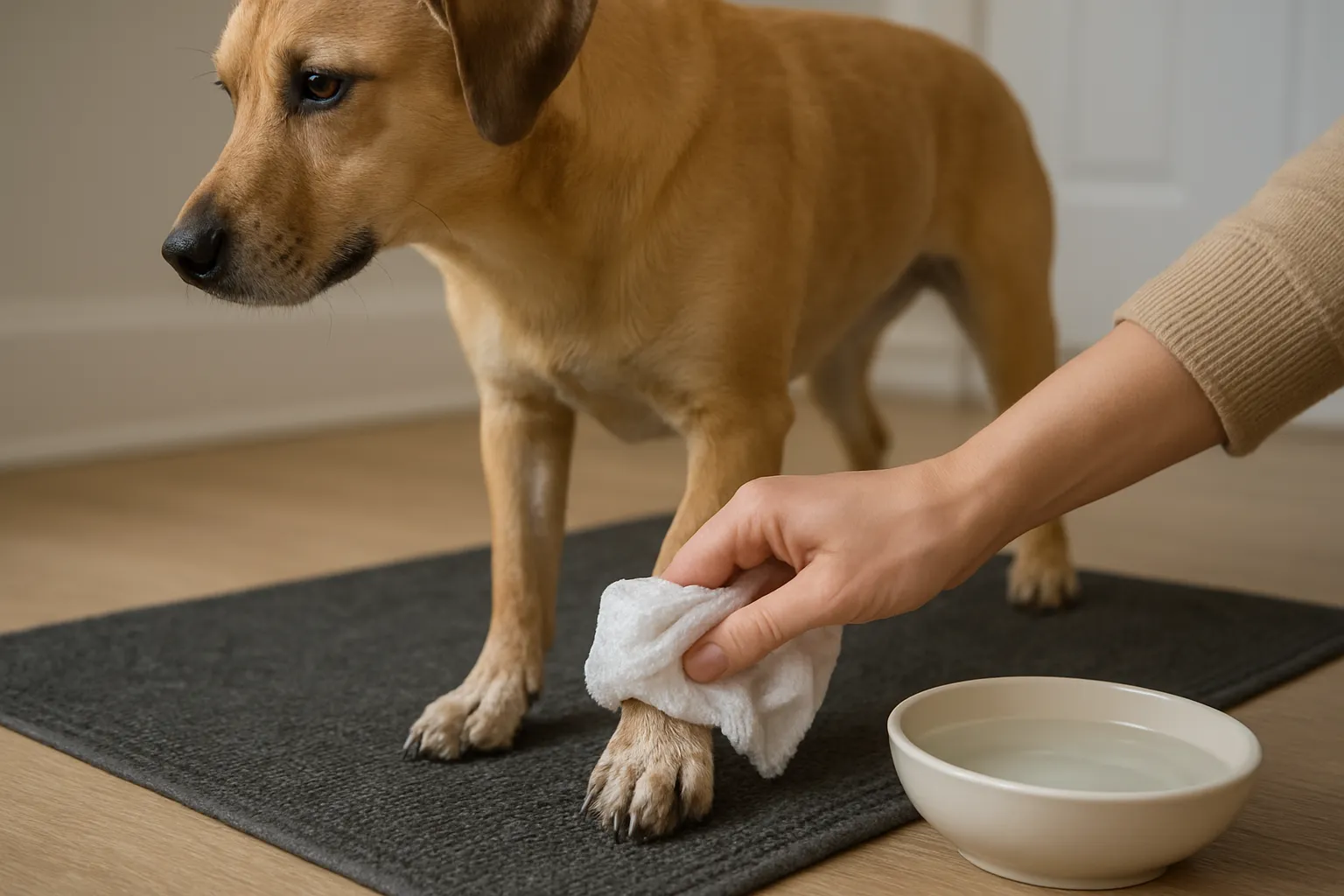
What should you do after every winter walk?
- Look between the toes and around each paw pad.
- Gently rinse or wipe off salt with lukewarm water.
- Pat the feet dry, including between the toes.
- Check for cracks, redness, swelling, or limping.
- Ask your veterinarian about a pet-safe protective balm if the pads get dry.
If your dog keeps limping, has an open wound, or may have swallowed de-icing chemicals, contact a veterinarian. Grooming does not treat these problems.
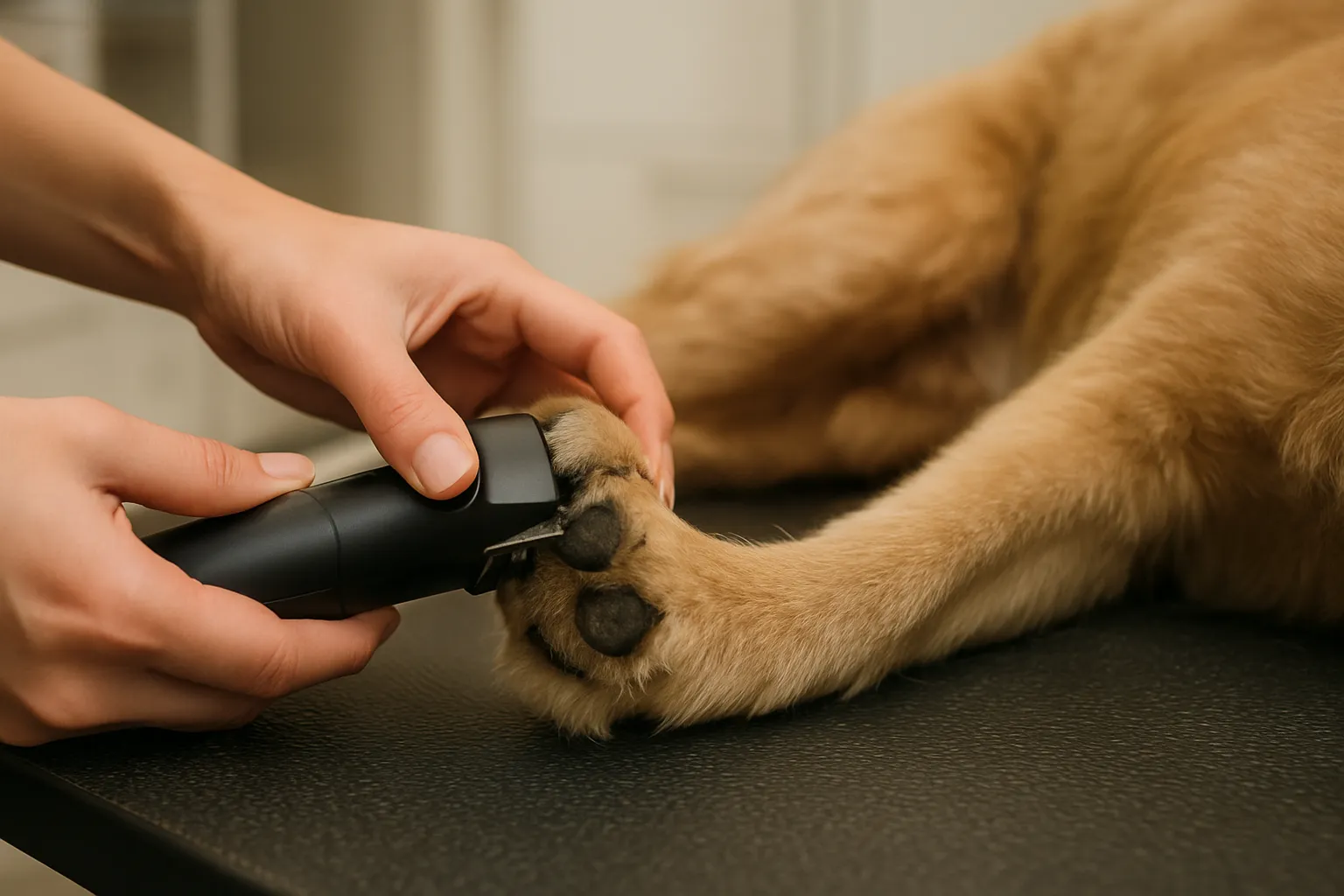
Can a paw pad trim help with winter snowballs?
Yes, for some dogs. Trimming extra hair that grows over the paw pads may make it harder for snow and grit to cling. It should be done carefully, without cutting skin or removing coat that the dog needs for warmth. Our Bath & Tidy grooming includes light work around key areas, such as the feet.
For dogs that mainly need cleaning and nail care, review the Bath & Nail service. You can also compare our full range of dog grooming options.
Do long nails make winter walking harder?
They can. Nails that are too long may reduce grip and affect the way a dog stands. Icy ground adds another challenge. Read our dog nail trim guide to learn why nail care matters. If your dog struggles on walks, ask your veterinarian whether pain or joint trouble could be involved.
What about a dog’s skin in winter?
Cold air, indoor heat, and bathing habits can all affect a dog’s skin. Brushing and gentle coat care may help, but ongoing itching or sores need a veterinary check. Our article about preventing winter dry skin covers more skin-care basics.
Common questions
Should I shave my dog’s paws for winter?
No. Only extra hair that causes a problem may need a careful tidy. Avoid shaving the paws down to bare skin.
Can road salt hurt a dog?
Yes. It may irritate paws, and some ice-melting products can be harmful if swallowed. Clean the feet after walks and call a vet if you suspect poisoning.
Are dog boots useful in Saskatchewan?
They can help block salt, snow, and cold surfaces if the boots fit well and your dog can walk in them comfortably.
Keep winter paws comfortable
If snowballs or overgrown paw hair are a problem, request a grooming appointment and mention your dog’s paw-care needs. We will confirm the appointment details with you.